
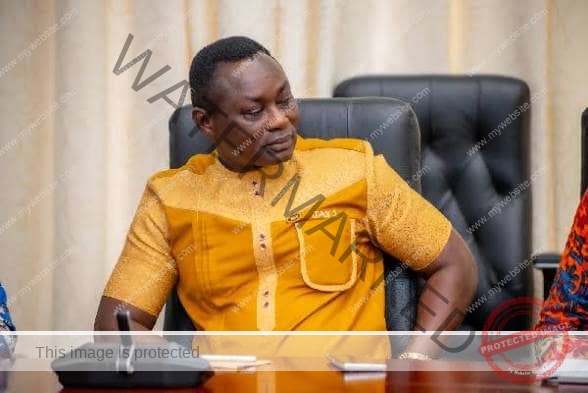
Member of Parliament for Afram Plains South, Hon. Joseph Appiah Boateng, has said government’s decision to export Ghanaian youth for work abroad under bilateral agreements holds great potentials for job creation, skills transfer and foreign exchange for the country.
Speaking in an interview, the MP explained that the move is necessary because Ghana’s local employment system has become choked, leaving many graduates unemployed for years. He noted that the congestion started after 2016 when reforms to post-school employment were politicized, forcing many young people to stay home.
“Some have been in the house for over eight years, six years, seven years. So based on that the system is choked,” he said.
According to him, government is pursuing bilateral agreements with countries such as Saudi Arabia, Kuwait, Canada and Germany to create structured opportunities for Ghanaian youth. Under these agreements, he said, beneficiaries will have the right to work, access to medical care, and guaranteed salaries that will be converted to Ghana cedis.
“When they go they have work right, they have medical right… and the payment the salary that they are earning over there too is good enough,” he stated.
The Afram Plains South MP added that the arrangement will also benefit the state directly.
He justified that government stands to generate tax from the salaries earned abroad, while the two-year contracts ensure that youth can return home with experience and capital.
“When things are well organized, they can return home with experience when the contract expires within two years,” he explained.
He, however, cautioned against irregular migration warning that not all travel abroad is government-facilitated, and some youth fall victim to unscrupulous agents and end up being maltreated.
“Some people wanted to travel. They are desperate to travel… sometimes this one has nothing to do with the government. It’s individual preference,” he said.
He expressed optimism that job creation at home is also picking up under President Mahama, with ongoing recruitment into the Prisons Service, Police Service and other public sectors which will soon yield dividend to reduce the unemployment menace.
The MP concluded that while government continues to invest in local job creation, the bilateral youth export programme also is a strategic short-term solution.
“If you don’t stop partisan politics in this country, you will never get things done,” he said, urging Ghanaians to see the initiative as a way to reduce unemployment pressure and build a more skilled workforce.
By Prosper Kwaku Selassy Agbitor
About The Author
