
Globally, approximately 400,000 children are diagnosed with cancer each year.
While survival rates exceed 80% in high-income countries, they plummet to below 30% in many low- and middle-income countries (LMICs) due to factors like delayed diagnosis, limited access to treatment, and financial constraints.
In Ghana, the situation is equally concerning, with an estimated 1,200 new cases annually, yet only about 20–30% are diagnosed and treated.Graphic+2WHO | Regional Office for Africa+2UN News+2
The Reality in Ghana
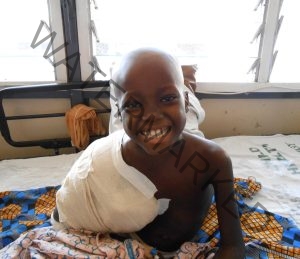
Despite the high incidence, many childhood cancer cases in Ghana go unreported.
The Korle Bu Teaching Hospital (KBTH), the largest treatment center in the country, records between 200 to 220 new cases annually.
However, it’s estimated that only one-third of the actual cases are seen at treatment centers due to challenges such as misdiagnosis and lack of awareness .Graphic
A study analyzing data from 2015 to 2019 at KBTH and Komfo Anokye Teaching Hospital (KATH) found an age-specific rate of 9.36 per 100,000 person-years, with higher rates in male children and those aged 0–4 years.
Lymphomas and leukemia were the most prevalent cancers .PubMed

Challenges Hindering Progress
- Delayed Diagnosis: Many cases are not identified early, leading to advanced disease stages at diagnosis.
- Financial Barriers: The average cost of treating childhood cancer is about $1,000, which is unaffordable for many families .UN News
- Limited Access to Treatment: Only a fraction of children receive the necessary care due to inadequate healthcare infrastructure and resources.
Recent Developments
In a significant move, the National Health Insurance Scheme (NHIS) in Ghana began covering the treatment of four common childhood cancers—Acute Lymphoblastic Leukaemia, Burkitt Lymphoma, Retinoblastoma, and Wilms Tumor—in June 2022.
Since then, 226 children have benefited from this coverage, with the NHIA disbursing over GHS 143,000 to accredited healthcare facilities .Ghana National Association of Teachers+5hafafrica.org+5nhis.gov.gh+5
Additionally, Ghana has joined the Global Platform for Access to Childhood Cancer Medicines (GPACCM), a WHO-led initiative aimed at ensuring all children have access to safe and effective cancer treatments .WHO | Regional Office for Africa

The Path Forward
To improve survival rates and outcomes for children with cancer in Ghana, the following actions are crucial:
- Early Detection and Awareness: Educating communities about the signs and symptoms of childhood cancer to facilitate early diagnosis.
- Strengthening Healthcare Infrastructure: Enhancing facilities and training healthcare professionals to provide quality care.
- Financial Support: Expanding insurance coverage and providing financial assistance to families.
- Research and Data Collection: Investing in research to understand cancer patterns and improve treatment protocols.
Conclusion
Childhood cancer in Ghana is a growing concern that requires immediate and sustained action.
While recent initiatives like the inclusion of childhood cancers in the NHIS and Ghana’s participation in the GPACCM are commendable, much more needs to be done.
By prioritizing early detection, improving healthcare infrastructure, and providing financial support, Ghana can make significant strides in combating childhood cancer and saving young lives.
About The Author
