
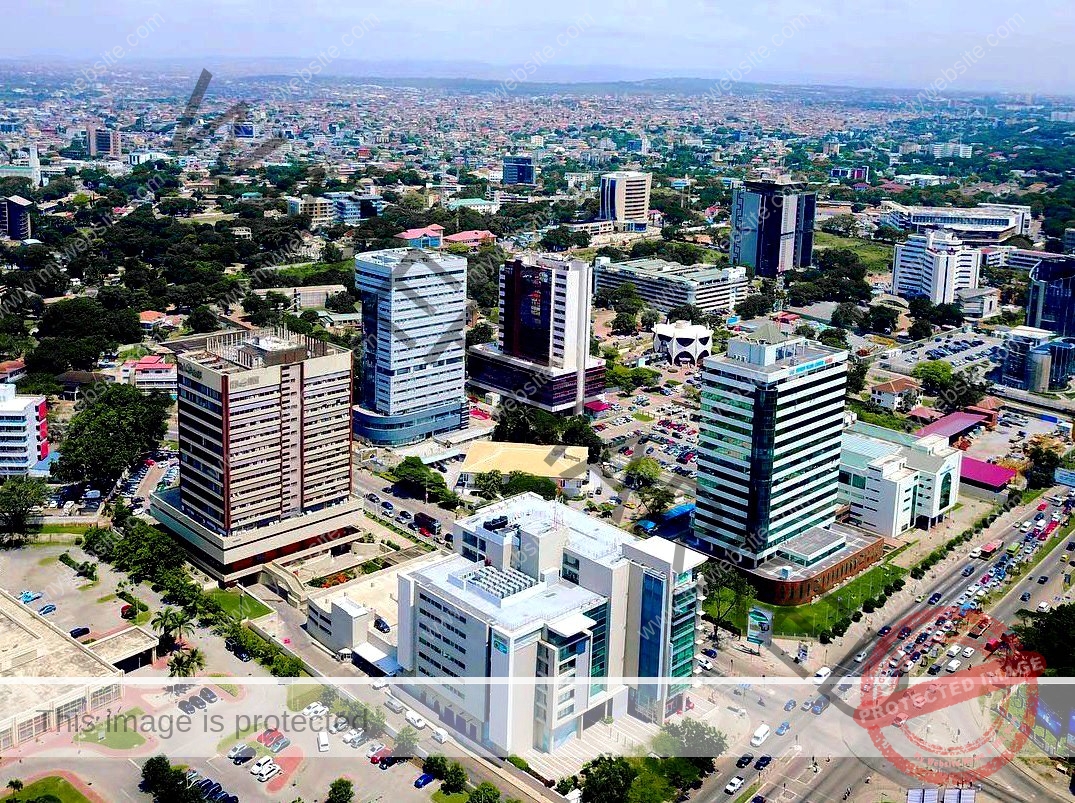
Over 55% of the world’s population now resides in urban areas, and this number is expected to rise to 68% by 2050.
While urbanization can offer economic and health benefits, rapid and unplanned growth can have significant negative consequences, particularly for the most vulnerable groups in society.
Key Urbanization Facts Affecting Public Health
- Access to Sanitation and Water: Almost 40% of urban dwellers lack access to safely managed sanitation services, and many struggle to obtain clean drinking water.
- Air Pollution: Nearly 91% of urban residents breathe polluted air, contributing to serious health issues.
- Urban Transport: Poorly planned urban transport systems not only lead to road traffic accidents but also contribute to air and noise pollution, while limiting opportunities for physical activity.
- Disease Transmission: With rapid growth, cities are becoming hotspots for the spread of infectious diseases, including those transmitted by mosquitoes.
The Triple Health Threat in Urban Areas
Urban areas face a threefold health threat: a rise in noncommunicable diseases, the ongoing risk of infectious disease outbreaks, and an increased likelihood of injuries and violence.
- Noncommunicable Diseases (NCDs): These include conditions like heart disease, asthma, cancer, and diabetes. Poor living conditions, limited green spaces, and pollution all worsen these diseases.
For example, diabetes is often linked to obesity and lack of physical activity in cities that don’t have adequate walking and cycling infrastructure.
Urban areas are also associated with high rates of depression, anxiety, and mental health issues.
- Injuries and Violence: Road traffic accidents and interpersonal violence, including domestic violence, affect vulnerable groups, such as children, young adults, and marginalized communities.
Lack of safe transport, poor infrastructure, and subpar living conditions contribute to these problems.
- Infectious Diseases: Poor sanitation, overcrowded housing, and insufficient waste management create perfect conditions for the spread of diseases.
Illnesses like COVID-19, tuberculosis, dengue, and diarrhea are common in cities with poor environmental health.
For example, inadequate waste management has been linked to outbreaks of diseases like Zika and Ebola.
Health Inequities in Urban Areas
Although urbanization can offer health and economic improvements, these benefits are often unequally distributed. Health disparities in cities can be stark, varying from one street to another.
Migrants and disadvantaged groups often live in the most deprived areas with poor environmental conditions and limited access to education, work opportunities, and health services.
These inequities result in poorer health outcomes for these populations.
Urban Health and Climate Change
Cities consume more than two-thirds of the world’s energy and are responsible for over 60% of global greenhouse gas emissions.
Urban populations are especially vulnerable to climate change.
The heat island effect, where urban areas become much hotter than surrounding rural areas due to concrete surfaces and a lack of green spaces, already increases temperatures by 3-5ºC.
This exacerbates health issues such as heat stress and respiratory problems.
Urban Health and COVID-19
The COVID-19 pandemic highlighted the vulnerability of urban areas during health emergencies.
Overcrowded cities with inadequate sanitation and limited space for social distancing contributed to the virus’s rapid spread.
Residents in disadvantaged areas experienced disproportionately high rates of infection and death, with cases in these neighborhoods being twice as high as in more privileged areas.
The pandemic revealed the urgent need for better public health infrastructure in cities.
WHO’s Response to Urban Health Challenges
The World Health Organization (WHO) recognizes that urban health is becoming an increasingly important issue.
To address the wide range of challenges, solutions must be coordinated and comprehensive. WHO focuses on:
- Improving air quality, water sanitation, and other environmental health factors
- Supporting healthy urban planning, including creating safe mobility environments and smoke-free zones
- Preventing violence and injuries, especially road traffic accidents
- Promoting healthy food systems and ensuring access to nutritious diets
- Managing vector-borne diseases through environmental health initiatives
- Strengthening emergency preparedness in urban settings
Addressing the needs of specific groups, such as children, older adults, and migrants, is also a priority.
WHO emphasizes that taking action in one area can benefit many others, creating a more integrated approach to improving urban health.
To help countries tackle these issues, WHO provides evidence-based tools and guidance to support informed decision-making.
The organization also promotes city-to-city exchanges and works to develop policy frameworks for better urban governance that prioritize health and well-being.
Conclusion
As urbanization continues to grow globally, addressing public health challenges in cities is becoming more urgent.
By taking coordinated, multisectoral action now, cities can not only reduce the negative impacts of rapid growth but also create environments where all residents, especially the most vulnerable, can thrive.
Tackling these challenges will ensure that urban areas contribute to health and prosperity rather than exacerbate existing inequalities.
About The Author
