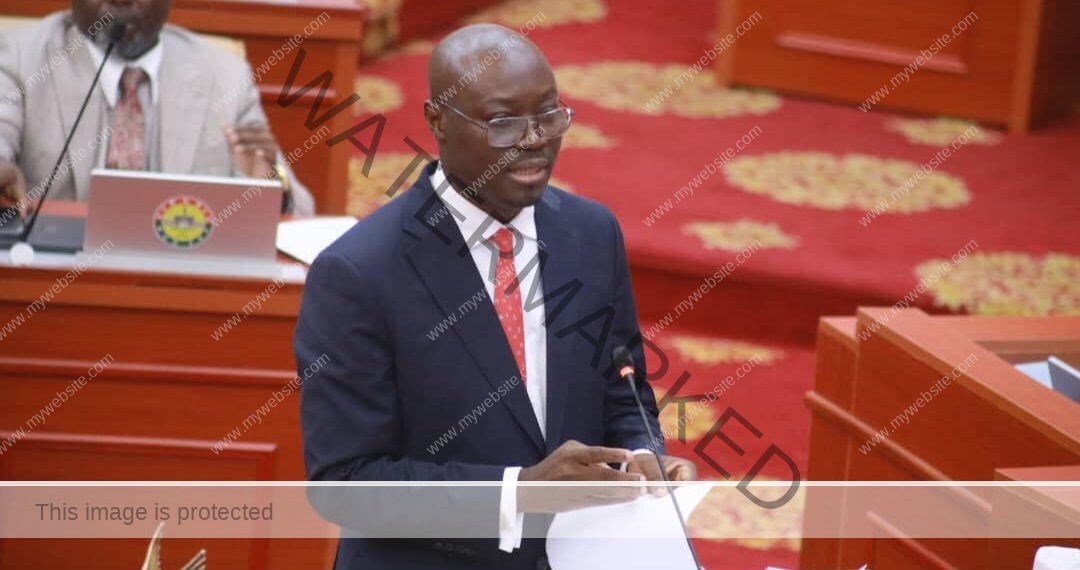
The Government of Ghana has taken a decisive step toward addressing the country’s deepening energy crisis by proposing a new fuel levy under the Energy Sector Levies (Amendment) Bill.
The bill, laid before Parliament on Tuesday, June 3, 2025, by Finance Minister Dr. Cassiel Ato Forson, seeks to impose a GHS1 levy per litre on all petroleum products.
According to Dr. Forson, the measure is essential to resolve the financial instability crippling Ghana’s energy sector.
He revealed that the current energy sector debt stands at $3.1 billion, and the government needs an estimated $3.7 billion in total to avoid a sector-wide collapse.
“This proposed levy is not a burden for its own sake,” Dr. Forson told Parliament.
“It is a strategic and urgent response to restore reliable electricity supply, reduce dependence on emergency power, and prevent a resurgence of dumsor.”
The proposed levy is expected to contribute significantly to clearing outstanding debts owed to Independent Power Producers (IPPs), fuel suppliers, and other stakeholders in the power value chain.
If approved, the proceeds from the levy would be channeled into the Energy Sector Recovery Programme, a government initiative aimed at ensuring financial sustainability in the long term.
In response to public concerns and comparisons to the controversial Electronic Transfer Levy (E-Levy), Majority Leader Mahama Ayariga clarified that the proposed levy is not a reintroduction of the scrapped E-Levy.
Speaking on the floor of Parliament, the Bawku Central MP emphasized that this new measure is narrowly targeted and should be seen as a national sacrifice to permanently end power outages.
“This is not the E-Levy disguised in another form,” Ayariga asserted. “This is a practical, transparent way to secure consistent power supply.
Ghanaians are being asked to pay just GHS1 more per litre to finally overcome dumsor.”
The bill is expected to spark intense parliamentary debate and public scrutiny in the days ahead.
If passed, the new levy could be implemented within the third quarter of the year, pending further review and stakeholder engagement.
About The Author
