
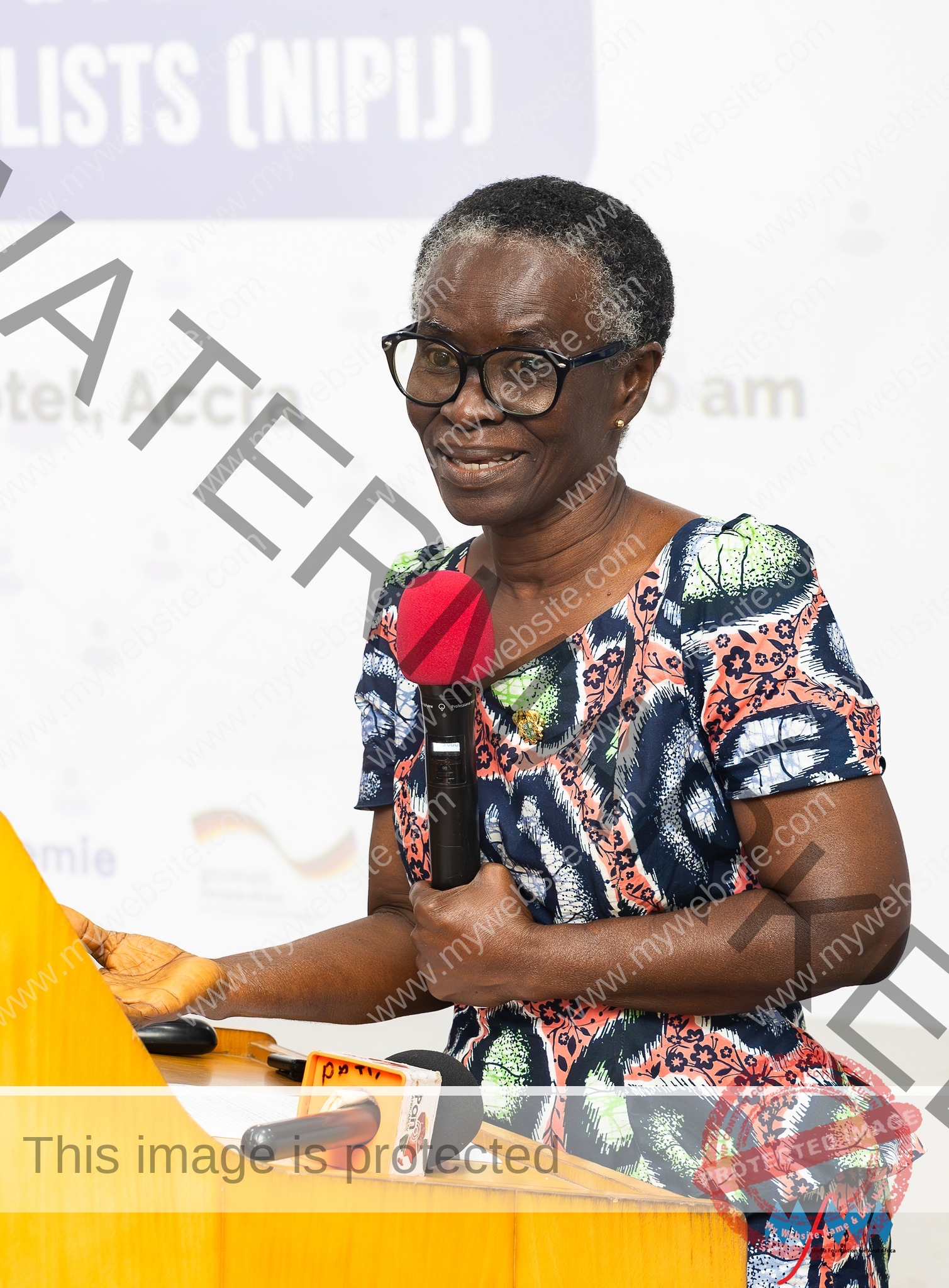
The Network of Investigative and Public Interest Journalists (NIPIJ) has been officially launched in Accra, with stakeholders highlighting its significance in promoting accountability, professionalism, and press freedom across West Africa.
Delivering the keynote address, Prof. Akua Opokua Britwum reaffirmed the National Media Commission (NMC)’s strong support for the initiative.
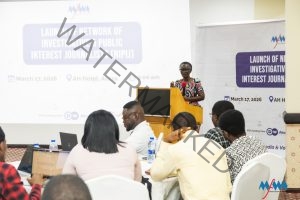
She described the network as a vital step toward deepening public interest journalism and strengthening democratic governance in the subregion.
Prof. Britwum commended the Media Foundation for West Africa (MFWA) for its leadership in advancing media development, noting its consistent role in ensuring the media serves the public good.
She also expressed appreciation to DW Akademie for funding the project.

She explained that the launch marks a key milestone under the project “Promoting Media Safety and Professionalism for Accountable Governance in West Africa,” which aims to create a platform for journalists to collaborate, share knowledge, and build resilience.
Prof. Britwum noted that the initiative comes at a time when West Africa continues to face significant challenges, including political instability, economic hardship, and social inequality.
Despite decades of independence, many citizens still struggle with poverty, limited access to healthcare and education, and insecurity.
Against this backdrop, she stressed the critical role of journalism in promoting accountability and national development.

According to her, quality journalism must be grounded in accuracy, balance, objectivity, and clarity, but above all, a clear public purpose.
“Public service journalism must go beyond attracting audiences to addressing the real social, political, and economic challenges facing our people,” she said, urging journalists to produce content that empowers citizens and strengthens democratic participation.
She explained that while investigative journalism uncovers hidden truths, public interest journalism ensures such information enables citizens to hold leaders accountable—making the distinction between the two increasingly blurred.
Prof. Britwum cautioned that in today’s competitive media environment, journalists must resist sensationalism and remain guided by the public interest. She outlined key indicators of public service journalism, including:
- Promoting public health, safety, and well-being
- Correcting societal wrongs
- Holding public officials accountable
- Deepening public understanding of critical issues
She added that journalism should not only expose wrongdoing but also provide citizens with the information needed to make informed decisions and contribute meaningfully to national development.

While acknowledging that defining “public interest” can be complex, she emphasised that trust remains central and must be built through ethical conduct, respect for human dignity, and rigorous verification of information.
She also urged journalists to remain mindful of legal and ethical boundaries, noting that undercover reporting should be used only when necessary and that coverage of the private lives of public officials must clearly serve the public interest.
Highlighting challenges confronting the profession, she identified:
- A market-driven media environment that prioritises profit and creates job insecurity
- The rise of sensationalism, which undermines credibility
- The spread of misinformation and disinformation, driven by digital platforms and artificial intelligence
To address these challenges, Prof. Britwum called for stronger collaboration among journalists across the subregion, including efforts to promote media freedom, improve working conditions, tackle discrimination, and enhance critical analysis of regional and global issues.
She encouraged journalists to build strong networks, maintain independence, and leverage collective strength to produce impactful public interest journalism.
She concluded by reaffirming the NMC’s commitment to the initiative and formally declared the network launched.
Also speaking at the event, Kojo Impraim, Director of the Media for Democracy and Good Governance Programme at MFWA, described the launch as a major step toward fostering accountability, transparency, and public service journalism.

“This network brings together journalists committed to uncovering the truth and serving the public interest, intending to enhance the quality and impact of journalism across our societies,” he said.
Jeorge Wilson, Executive Secretary of the Private Newspaper and Online News Publishers Association of Ghana, noted that the initiative comes at a critical time for journalism in Ghana.
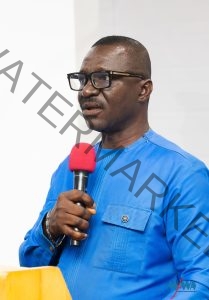
He highlighted increasing threats such as intimidation, legal challenges, cyber harassment, and economic pressures, which continue to undermine investigative reporting.
Similarly, Abdulai Awudu, President of the Ghana Independent Broadcasters Association, pointed out that although nearly 98 percent of Ghana’s electronic media is privately owned, broadcasters still have a constitutional duty to shape public discourse and strengthen democracy.

He welcomed the network as a timely platform to support and protect journalists, especially amid pressure from powerful political actors.
Providing further insight into the initiative, Adizatu Moro Maiga, Programme Manager at MFWA, described NIPIJ as a regional platform designed to build a strong community of journalists committed to impactful public interest reporting through collaboration, mentorship, and shared resources.

In addition, Rosemond Ebi-Adwo Aryeetey, Senior Programme Manager at MFWA, emphasised that good governance and accountability depend heavily on the work of courageous investigative journalists.
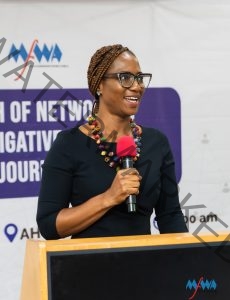
She noted that public interest journalism plays a vital role in exposing wrongdoing, holding duty-bearers accountable, and amplifying the voices of citizens.
The newly launched network is expected to foster cross-border collaboration and position investigative journalism as a powerful force for positive change across West Africa.
By Sampson Kumah Ifeetwube Elvis
About The Author
