Government says its flagship 24-Hour Economy policy will be a major tool to reverse Ghana’s 70 percent dependence on imported medicines by boosting local pharmaceutical manufacturing and creating sustainable jobs.
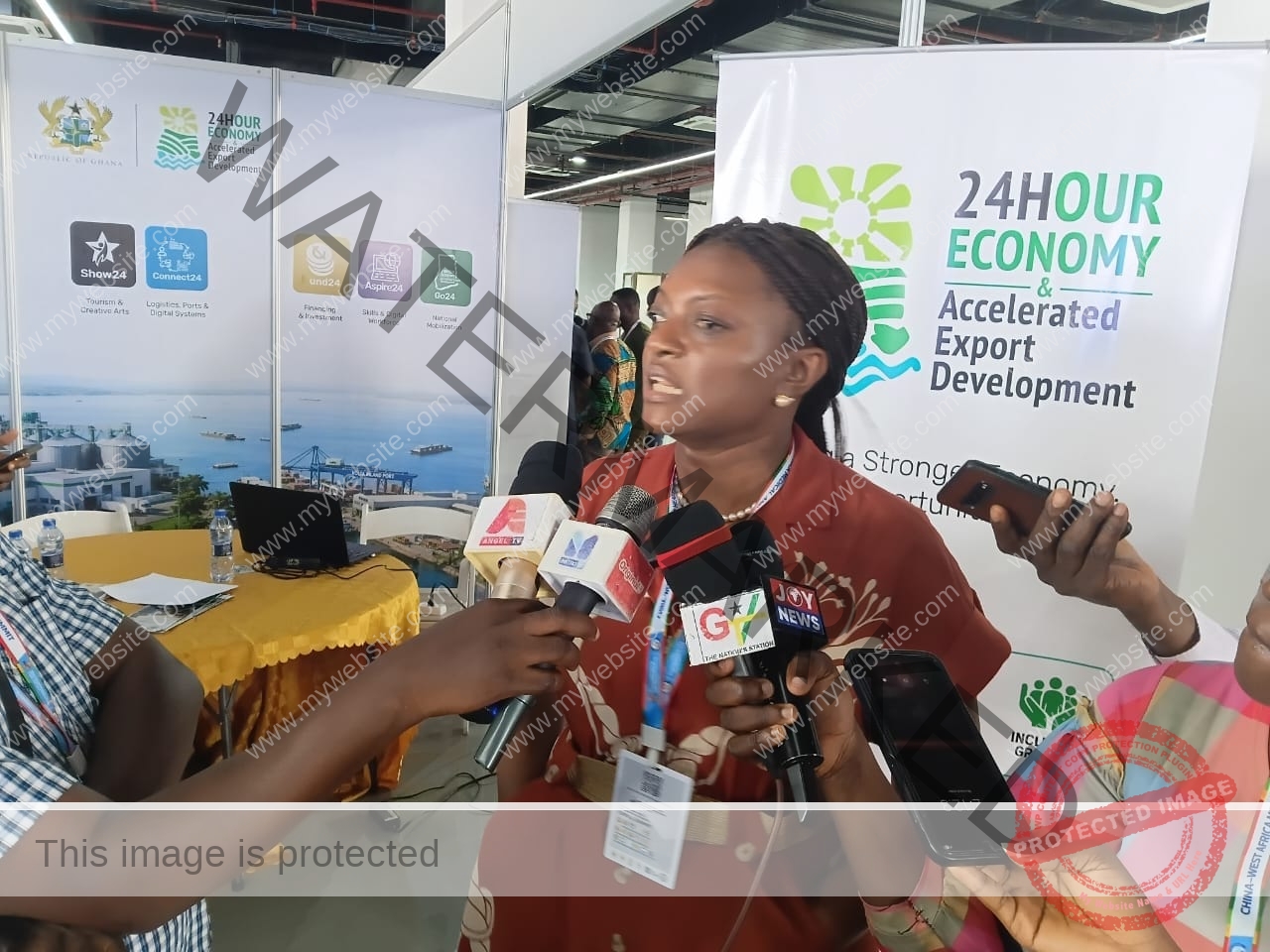
The Head of Project Development at the 24-Hour Economy Secretariat, Kafui Linda Abbah-Foli, said the current model where the country imports most of its essential medicines is unsustainable for both national health security and economic growth.
She was speaking at the 3rd China-West Africa Medical and Health Expo currently underway in Accra.
According to her, Ghana’s disease burden is undergoing a major transition, shifting from infectious diseases such as malaria to Non-Communicable Diseases (NCDs) including stroke, diabetes and hypertension. This shift, she said, presents a strategic opportunity for local production.
“Our disease burden is changing. From infectious diseases like malaria and other types, to non-communicable diseases like stroke, diabetes, etcetera,” Ms Abbah-Foli noted. “This presents an opportunity to attract manufacturers to produce such drugs locally.”
She warned that continuous importation of medicines comes at a heavy cost to the nation, leading to capital flight and job exports.
“What it means is that we are creating jobs in other countries. We are selling off our health and our disease burden to other countries,” she stressed.
Ms Abbah-Foli explained that under the 24-Hour Economy initiative, government will provide a comprehensive package of incentives, industrial infrastructure support, reliable energy, and market guarantees to enable local pharmaceutical companies to operate efficiently around the clock.
The policy, she said, will help local manufacturers scale up production, improve competitiveness, and make Ghana self-sufficient in the production of essential medicines, especially for NCDs.
Beyond health security, she said the move is also a deliberate strategy to tackle unemployment.
“This will help create and retain jobs in Ghana to deal with the menace of unemployment across the country. Instead of importing medicines, we will be producing them here, creating jobs for our youth and keeping our money within the economy,” she said.
Ghana’s pharmaceutical industry, though vibrant, currently meets only about 30 percent of national drug needs, with the rest imported mainly from India, China and Europe. Government says the 24-Hour Economy policy will be key to reversing the trend and positioning Ghana as a pharmaceutical manufacturing hub in West Africa.
By Prosper Kwaku Selassy Agbitor
About The Author
