
Director-General of the National Road Safety Authority, Abraham Amaliba, has said Ghanaians are increasingly tired of political rhetoric and are demanding clear, practical solutions to the country’s unemployment challenge.
According to him, unemployment in Ghana remains persistent and complex, driven by factors such as technological advancement, globalisation, and broader economic fluctuations.
“Machines are now doing work that human beings used to do, and globalisation is pushing jobs to countries where labour is cheaper,” he explained, stressing that understanding the root causes of unemployment is critical to addressing the problem effectively.
Mr Amaliba argued that national discussions must move beyond political commentary to focus on practical interventions that equip citizens with employable skills. He identified technical and vocational education, skills training, and structured job placement as key areas that require urgent prioritisation.
“We are importing things that we can easily produce locally if we train our people properly,” he noted, adding that skills development would empower individuals to create opportunities for themselves.
He also pointed to small and medium-sized enterprises (SMEs) as a major avenue for absorbing unemployed youth, urging the state to provide SMEs with the necessary resources, incentives, and access to capital.
Mr Amaliba welcomed recent data suggesting a reduction in unemployment, describing it as an encouraging sign that ongoing policies are beginning to yield results.
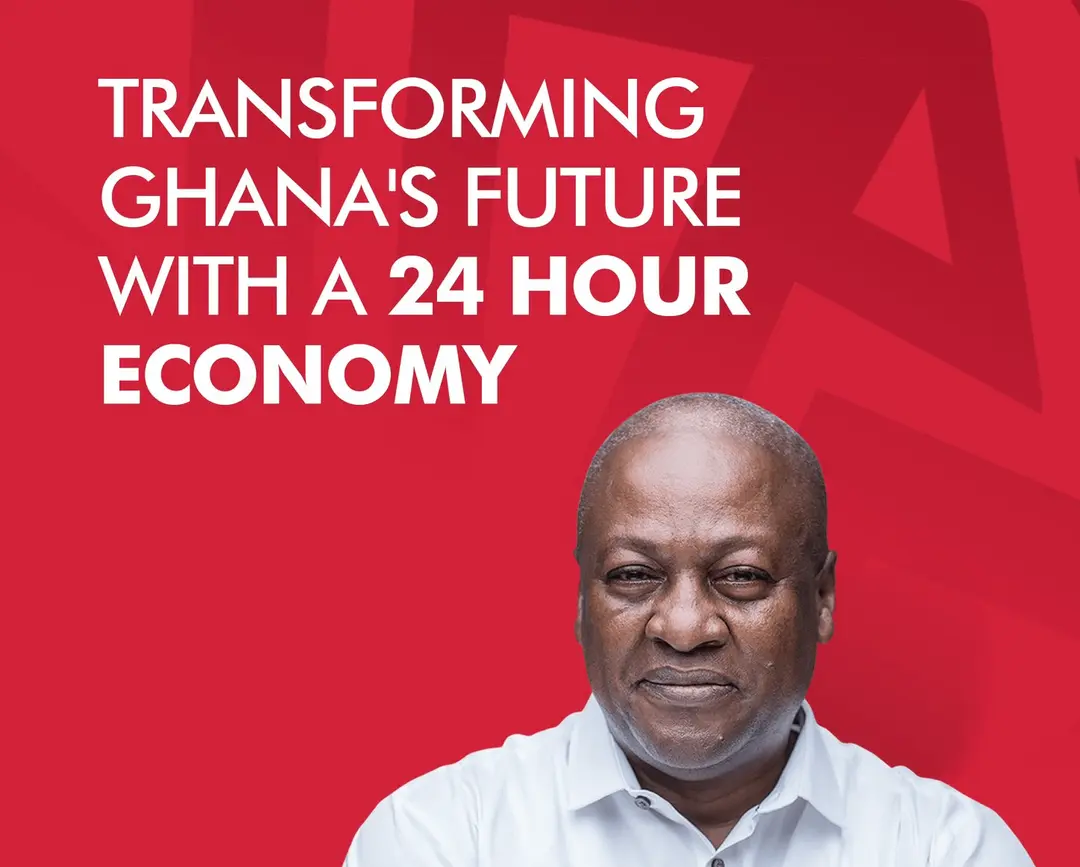
Defending the government’s 24-hour economy policy, he explained that its implementation is being rolled out gradually to expand production, boost exports, and create sustainable jobs.
“Every programme has its own characteristics. You don’t judge it only by past experiences,” he said, urging critics to allow the policy adequate time to achieve its full impact.
Touching on women-focused economic interventions, Mr Amaliba referenced the Women’s Development Bank, noting that funding for the initiative has been significantly increased in the current budget.
“In the 2024 budget, the amount was not enough to capitalise the bank, but now we are close to 500 million cedis, above the Bank of Ghana threshold,” he stated, adding that the bank is now better positioned to commence operations and support women-led businesses.
By Sampson Kumah Ifeetwube Elvis
About The Author
