
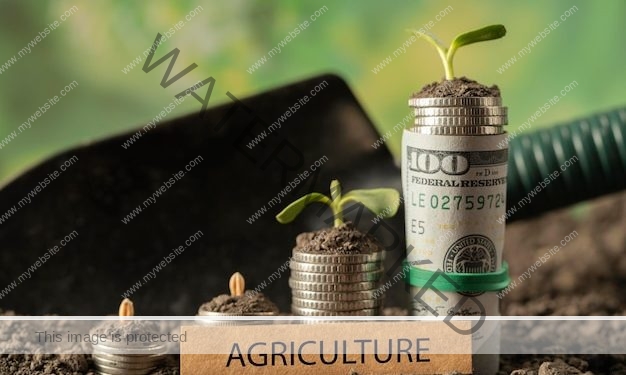
Farmers and agribusiness stakeholders are calling on the Ghanaian government to significantly increase funding and tailored financial support for the agricultural sector, citing limited access to capital as a major obstacle to growth and innovation.
Speaking during the Citi Business Festival On-Air Series, agribusiness advocate and Co-Founder of Hendy Farms, Sandra Snowden, highlighted the persistent financing challenges that continue to hinder the scalability and sustainability of agribusiness operations across the country.
In a conversation with host Vivian Kai Lokko, Snowden stressed that while some financial institutions have started setting up agribusiness-focused desks and initiatives, a wider and more inclusive strategy is urgently needed—especially for smallholder farmers and women-led enterprises.
“There should be more access to funds, and lower collateral limits.
A few banks now have Agri-desks, which is a good start. It’s helping to change the narrative that agribusiness is too risky to finance,” Snowden emphasized.
She noted that although Ghana has made some progress in agricultural policy and investment, the sector still suffers from systemic neglect when it comes to affordable credit, insurance, and long-term financial planning.
A key point of advocacy during the interview was the expedited launch of the Women’s Development Bank, a long-promised initiative aimed at improving financial inclusion for women, particularly those in rural and agricultural sectors.
“We’re hopeful and looking forward to the Women’s Development Bank becoming operational this year.
“It should be a game-changer for small-scale processors and women farmers who face even greater barriers when it comes to financing,” she said.
Snowden and other stakeholders argue that without deliberate, sector-specific funding structures—including interest rate caps, agri-friendly loan terms, and collateral-free financing for smallholders—Ghana’s broader goals for food security, agro-industrialization, and export diversification will remain out of reach.
The call comes at a time when the agricultural sector is facing growing pressure from climate change, rising input costs, and global supply chain disruptions—issues that compound the already significant challenges local farmers encounter.
About The Author
