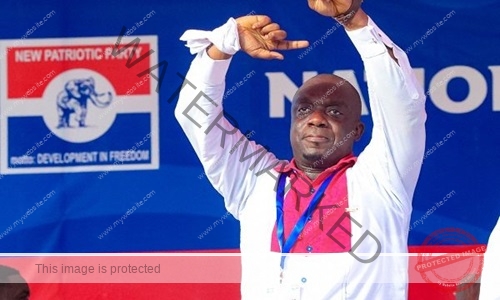
The New Patriotic Party (NPP) has strongly condemned the arrest and detention of its Bono Regional Chairman, Mr. Kwame Baffoe, popularly known as ‘Abronye’, over comments allegedly made against the Inspector General of Police, Mr. Christian Tetteh Yohunu.
In a statement released by the party, the NPP described the arrest as politically motivated and part of a disturbing trend of harassment and intimidation targeting opposition voices under the current National Democratic Congress (NDC) government.
“Chairman Abronye’s arrest is the latest in a growing pattern of politically driven actions aimed at silencing critics of the Mahama administration.
This reflects a worrying shift towards state-sponsored suppression of dissent,” the party stated.
According to the NPP, the first eight months of President John Dramani Mahama’s return to power have seen state institutions, especially the security services, increasingly used to settle political scores rather than protect citizens or address pressing national issues such as illegal mining and growing insecurity.
The party cited recent violent incidents in parts of the country—including Bawku, Nkwanta, and Gbeniyiri in the Savannah Region—that have claimed over 32 lives and displaced more than 50,000 Ghanaians.
The NPP argued that rather than focusing on such critical issues, the government appears more preoccupied with persecuting opposition figures and social media activists for expressing dissenting views.
“The police now seem more interested in arresting NPP members for social media posts than tackling the real security threats facing ordinary Ghanaians.
Meanwhile, similar or even more inflammatory statements from NDC supporters go unpunished, exposing a troubling double standard in the application of the law,” the statement continued.
The NPP also expressed concern over what it described as the return of a “culture of silence” in Ghana, reminiscent of an era the country moved past with the repeal of the Criminal and Seditious Libel Law in 2001.
While reaffirming its commitment to civility and respectful public discourse, the party emphasised that the appropriate legal recourse for defamation is a civil suit, not arrest or criminal prosecution.
“No public official, including the Inspector General of Police, should use state power to settle personal grievances.
The criminalisation of speech has no place in a democracy,” the party warned.
The NPP further accused the government of undermining the judiciary, referencing the recent removal of the Chief Justice on what it described as “flimsy grounds.”
“This continued weaponisation of state institutions—including the police and judiciary—against political opponents is a direct threat to our democracy and the rule of law.
It is no surprise that Ghana’s once-respected global standing in press freedom and democratic governance is slipping,” the party said.
The statement concluded with a call to action:
“The NPP will not sit idly by while this government erodes the democratic gains we’ve all worked hard to achieve.
We call on all peace-loving Ghanaians and defenders of democracy to join us as we prepare to roll out a series of actions to protect our country’s future.”


Story By: Sampson Kumah Ifeetwube Elvis
About The Author
