
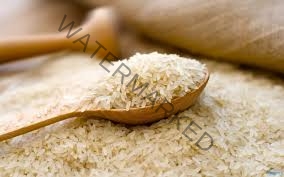
Despite years of national efforts to boost local food production, Ghana continues to import nearly one million metric tonnes of rice annually—a statistic that highlights the country’s ongoing struggle to achieve self-sufficiency in rice production.
While locally grown rice has seen measurable growth over the last decade, challenges ranging from infrastructure gaps to consumer preference continue to tilt the scale in favor of imports.
This article examines the evolution of Ghana’s rice sector, its current realities, and the economic and structural reasons behind the continued dominance of imported rice.
Background: A Historical Perspective on Rice Production in Ghana
Rice consumption in Ghana has grown significantly over the past few decades, becoming a staple for many households across the country.
However, domestic rice production has historically lagged behind demand due to colonial agricultural legacies and inconsistent policy support.
In the 1970s, the government launched Operation Feed Yourself, a self-sufficiency campaign aimed at increasing food production—including rice.
Despite its initial momentum, the program failed to deliver lasting results due to poor planning, lack of infrastructure, and weak private sector involvement.
By the early 2000s, imported rice had become dominant in urban markets, prized for its polished appearance, longer shelf life, and consistent quality.
This growing consumer preference led to an import-dependent culture that persists today.
Current Landscape: Progress Amid Persistent Challenges
Over the past decade, there has been a steady increase in domestic rice production, supported by government policies such as the Planting for Food and Jobs (PFJ) initiative and the National Rice Development Strategy (NRDS), which aimed for rice self-sufficiency by 2024.
- Production Growth: From 2010 to 2023, Ghana’s paddy rice output rose from approximately 302,000 metric tonnes to nearly 987,000 metric tonnes. However, after milling losses, actual edible rice output still falls far short of national consumption, which exceeds 1.4 million metric tonnes annually.
- Key Growing Regions: Northern, Upper East, Volta, and Ashanti regions have become major rice-producing zones, yet they continue to face logistical hurdles such as poor road access, inadequate irrigation systems, and outdated processing equipment.
- Private Sector Support: Companies like the Jospong Group have stepped in to bridge the production gap. Its subsidiary, Asian African Consortium (AAC), has secured over 200,000 acres of farmland with the aim of producing 720,000 metric tonnes of rice over five years.
The Import Paradox: Why Ghana Still Brings in a Million Tonnes
Despite these gains, Ghana imported close to one million metric tonnes of rice in recent years. A combination of structural, economic, and market-driven factors explains this paradox:
- Demand Outstrips Supply
Local production covers less than 50% of Ghana’s rice needs. With growing urbanization and changing dietary habits, the demand for rice continues to surge. - Consumer Preferences
Imported rice is often more polished and consistent in quality. Many consumers still view local rice as inferior due to issues like stone contamination or inconsistent packaging. - Infrastructure and Processing Deficits
Post-harvest losses, insufficient storage, and a lack of modern milling facilities make it difficult for local producers to compete. - Illicit Imports Undermining Local Markets
Reports from the General Agricultural Workers Union (GAWU) highlight a troubling trend: the illegal smuggling of cheap foreign rice into Ghana. This rice, often untaxed, sells for 20–30% less than locally produced varieties, threatening the viability of domestic farmers. - Foreign Exchange and Food Security Risks
The reliance on imports drains Ghana’s foreign reserves and makes the country vulnerable to global price shocks—further underscoring the strategic importance of developing a robust local rice industry.
The Path Forward: Can Ghana Break Free from Import Dependence?
Ghana stands at a critical juncture. To reduce its reliance on imported rice and achieve food sovereignty, several strategic moves are needed:
- Investment in Infrastructure: Improving roads, storage, and milling capacity in rural areas is essential to minimize post-harvest losses and enhance product quality.
- Consumer Education and Branding: Promoting the health benefits and freshness of local rice through nationwide campaigns could help shift public perception.
- Policy Enforcement: Stronger border control and anti-smuggling measures are necessary to protect local farmers from unfair competition.
- Support for Innovation: Adopting resilient rice varieties like NERICA (New Rice for Africa) and providing farmers with improved seeds and financing could boost yields significantly.
- Public-Private Partnerships: Collaborations with local agribusinesses and international investors will be key to scaling up production and improving efficiency across the value chain.
Conclusion
Ghana’s rice sector has made encouraging strides, but the continued importation of nearly one million metric tonnes annually paints a sobering picture.
The solution lies not just in growing more rice—but in building a competitive, consumer-trusted, and resilient rice industry that can stand tall against global imports.
With the right mix of investment, policy enforcement, and public support, Ghana can unlock the full potential of its rice industry and move closer to true food independence.
About The Author
