
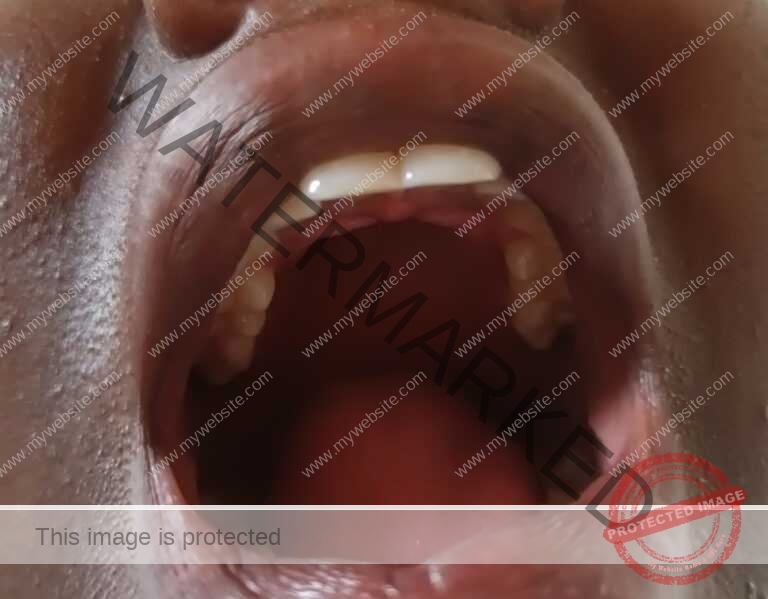
Nearly half of the world’s population suffers from oral diseases, but the good news is that many of these conditions can be prevented and treated early.
By adopting a few simple habits, you can protect your oral health and avoid the discomfort and cost of dental problems.
Prioritizing oral health not only ensures a bright smile but also supports your overall well-being, boosting your confidence and helping you interact confidently with others.
Key Steps to Protect Your Oral Health
Adopting healthy habits can make a world of difference. Here are some simple steps to protect your oral health:
- Brush your teeth twice a day with fluoride toothpaste
- Eat a balanced diet low in sugars
- Drink water instead of sugary drinks
- Quit smoking
- Limit alcohol consumption
- Wear protective gear during sports and while riding bikes or motorcycles to prevent facial injuries
Good oral health does a lot for you—take care of it, and it will take care of you!
Common Oral Health Conditions and How to Prevent Them
Most oral health issues are preventable and treatable if caught early.
Here are some of the most common conditions:
Tooth Decay
Tooth decay occurs when plaque on your teeth interacts with sugars from food and drinks, creating acids that erode your teeth. A high-sugar diet, inadequate fluoride exposure, and poor brushing habits can lead to cavities, pain, and even tooth loss.
Gum Disease
Gum disease starts with swollen or bleeding gums, progressing to more severe stages where gums and bone around the teeth deteriorate, leading to tooth loss. Poor oral hygiene and tobacco use are major causes. Over 1 billion people worldwide suffer from gum disease.
Tooth Loss
Tooth loss often results from advanced tooth decay or gum disease, but can also be caused by trauma or other factors. Nearly 7% of people aged 20 or older experience complete tooth loss, and the rate increases to 23% among those over 60. Missing teeth can impact self-esteem and make daily functions like eating and speaking difficult.
Oral Cancer
Oral cancers, affecting the lips, mouth, and throat, are linked to risk factors such as smoking, alcohol use, and chewing areca nut (betel). In some regions, human papillomavirus (HPV) has been associated with increasing cases, particularly among younger individuals.
Dental Injuries
Dental injuries, especially in children, can occur due to accidents, sports, or unsafe environments. With an estimated 1 billion cases worldwide, dental trauma often requires costly, lengthy treatment and can lead to tooth loss, affecting one’s quality of life.
Noma
Noma is a severe disease that causes tissue destruction of the mouth and face, mainly affecting malnourished children in impoverished regions. If left untreated, noma can be fatal or lead to lifelong disfigurement. Early intervention with antibiotics and improved nutrition can stop its progression.
Cleft Lip and Palate
Cleft lip and palate are congenital conditions that result in gaps in the upper lip or palate. Early treatment is essential for helping children with these conditions speak, eat, and interact. Without proper care, these conditions can create long-term challenges.
Risk Factors for Oral Diseases
Many oral health conditions share common risk factors with other chronic diseases, including tobacco use, excessive alcohol consumption, and poor dietary habits. Additionally, oral health is linked to other conditions, such as diabetes, where poor oral hygiene can worsen the disease and vice versa.
Oral Health Inequalities
Oral diseases disproportionately affect people in poorer communities. Those with lower incomes are more likely to suffer from oral health issues due to limited access to dental care, unhealthy lifestyles, and financial barriers. These factors contribute to significant health inequalities across different regions.
Prevention is Key
Preventing oral diseases and reducing the risk of other chronic conditions can be achieved through simple lifestyle changes. Here’s what you can do:
- Eat a balanced diet rich in fruits and vegetables while limiting sugary foods and drinks
- Stop using tobacco
- Limit alcohol consumption
- Wear protective gear in sports and while biking or motorcycling
- Ensure adequate fluoride exposure through drinking water and toothpaste
- Brush your teeth twice a day with fluoride toothpaste
Access to Dental Care
Access to dental care remains a significant challenge in many parts of the world. A shortage of dental professionals, high costs, and limited availability of services make it difficult for many to get the care they need. For many people, the cost of dental treatment is a major financial burden and a leading cause of economic hardship.
Conclusion
Oral health is an essential component of overall health.
By adopting simple preventive measures, we can significantly reduce the global burden of oral diseases.
Protecting your teeth and gums not only ensures a beautiful smile but also supports your overall health, confidence, and quality of life.
Prioritizing oral health today can lead to a healthier, happier tomorrow.
About The Author
